
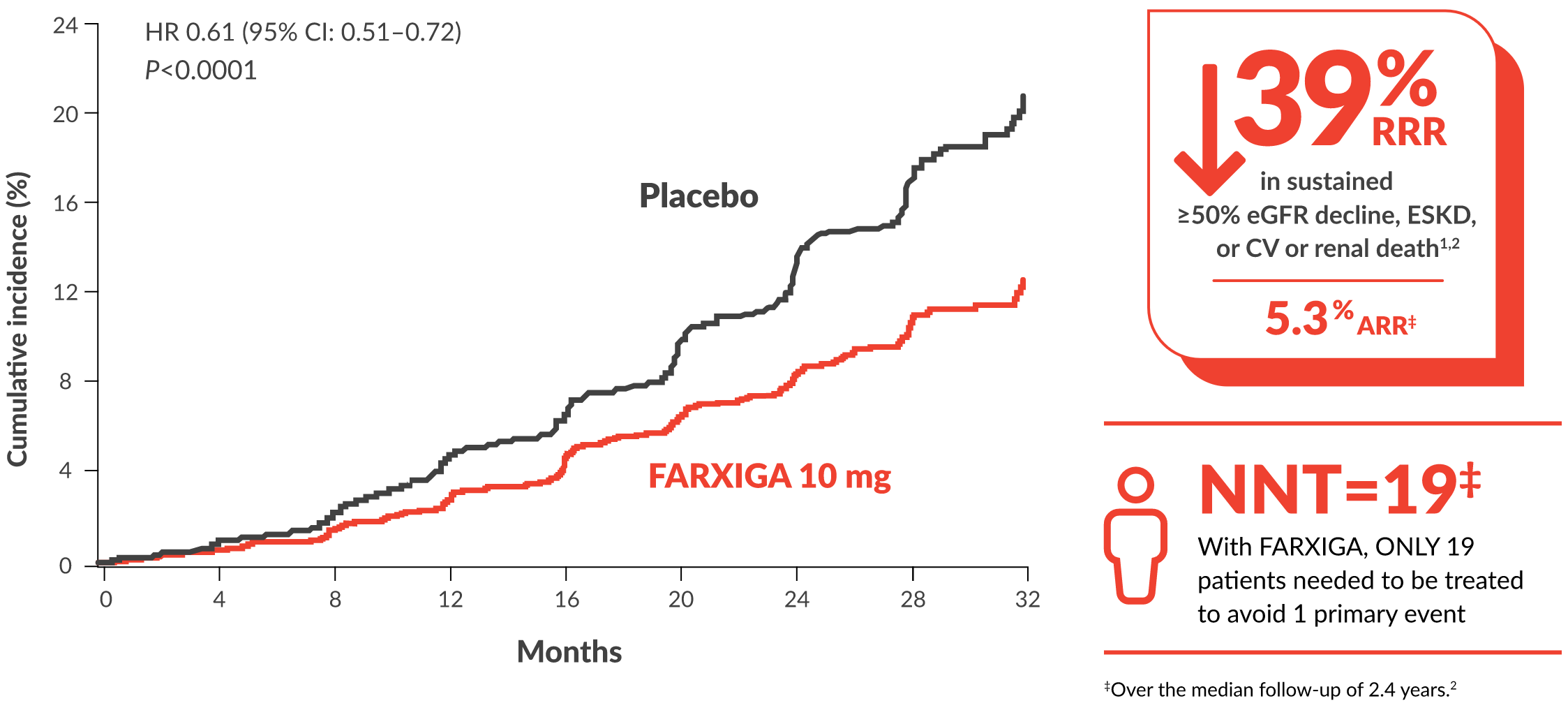
Prescribe FARXIGA to help adults with CKD
LIVE LONGER, WITH BETTER OUTCOMES
by reducing the risk of mortality and progression to ESKD1,2*†
*The effect of FARXIGA on ESKD (component of primary composite endpoint): 36% RRR (HR 0.64; 95% CI: 0.50–0.82) and 2.4% ARR over a median follow-up of 2.4 years.1,2
†ESKD defined as sustained eGFR <15 mL/min/1.73 m2, chronic dialysis treatment, kidney transplantation.2
ARR=absolute risk reduction; CI=confidence interval; CKD=chronic kidney disease; eGFR=estimated glomerular filtration rate; ESKD=end-stage kidney disease; HR=hazard ratio; RRR=relative risk reduction.

FARXIGA remains the only SGLT2i proven to significantly reduce the risk of mortality in adults with CKD.1,3-7
All-cause mortality1,2
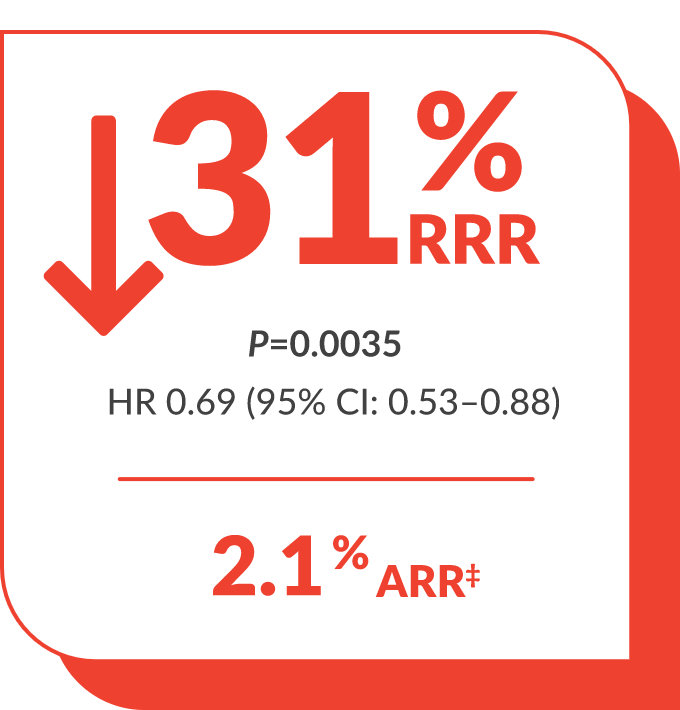
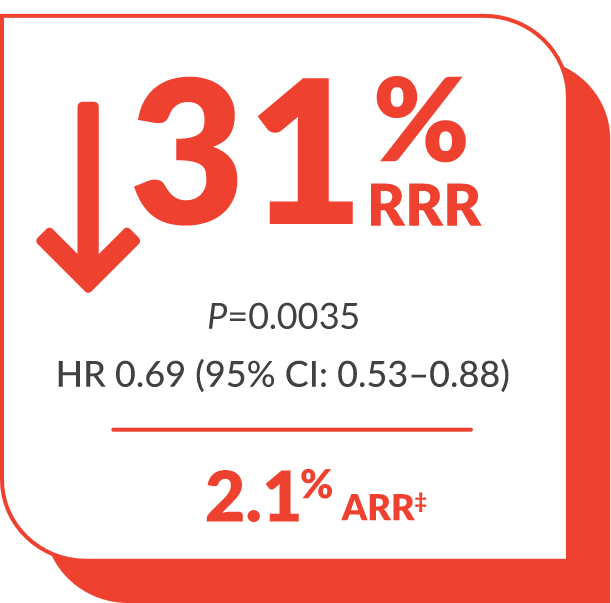
‡Over the median follow-up of 2.4 years.2
ARR=absolute risk reduction; CI=confidence interval; CKD=chronic kidney disease; CV=cardiovascular; DAPA-CKD=Dapagliflozin and Prevention of Adverse outcomes in Chronic Kidney Disease; eGFR=estimated glomerular filtration rate; ESKD=end-stage kidney disease; NNT=number needed to treat; RRR=relative risk reduction; SGLT2i=sodium-glucose cotransporter 2 inhibitor.
Proven safety profile in a broad range of adults with CKD1,2,8
§Severe hypoglycemia defined as symptoms of severe impairment in consciousness or behavior, need of external assistance, intervention to treat hypoglycemia and prompt recovery from acute symptoms after intervention.2
Warnings and Precautions
- Ketoacidosis: FARXIGA significantly increases the risk of diabetic ketoacidosis in patients with type 1 diabetes mellitus. Type 2 diabetes mellitus and pancreatic disorders are also risk factors. There have been postmarketing reports of fatal events of ketoacidosis in patients with type 2 diabetes mellitus using SGLT2 inhibitors, including FARXIGA. Consider ketone monitoring in patients with type 1 diabetes mellitus and in others at risk for ketoacidosis. Assess patients who present with signs and symptoms of metabolic acidosis for ketoacidosis, regardless of blood glucose levels. If suspected, discontinue FARXIGA, evaluate and treat promptly. Withhold FARXIGA, if possible, in temporary clinical situations that could predispose patients to ketoacidosis. Resume FARXIGA when the patient is clinically stable and has resumed oral intake
- Volume Depletion: FARXIGA can cause intravascular volume depletion, which may manifest as symptomatic hypotension or acute transient changes in creatinine. Acute kidney injury requiring hospitalization and dialysis has been reported in patients with type 2 diabetes mellitus receiving SGLT2 inhibitors, including FARXIGA. Patients with impaired renal function (eGFR less than 60 mL/min/1.73 m2), elderly patients, or patients on loop diuretics may be at increased risk for volume depletion or hypotension. Before initiating FARXIGA in these patients, assess volume status and renal function. After initiating therapy, monitor for signs and symptoms of hypotension and renal function
- Hypoglycemia: FARXIGA can increase the risk of hypoglycemia when coadministered with insulin and insulin secretagogues. Consider lowering the dose of these agents when coadministered with FARXIGA
Pooled safety data across 12 placebo-controlled clinical studies of glycemic control in adults with T2D1
Adverse reactions reported in ≥2% of adults taking FARXIGA 10 mg (n=1193) vs placebo (n=1393) included female genital mycotic infections (6.9% vs 1.5%),‖ nasopharyngitis (6.3% vs 6.2%), UTIs (4.3% vs 3.7%), back pain (4.2% vs 3.2%), increased urination (3.8% vs 1.7%), male genital mycotic infections (2.7% vs 0.3%),‖ nausea (2.5% vs 2.4%), dyslipidemia (2.5% vs 1.5%), influenza (2.3% vs 2.3%), and discomfort with urination (2.1% vs 0.7%).
‖n for females: FARXIGA 10 mg=598, placebo=677; n for males: FARXIGA 10 mg=595, placebo=716.1
AE=adverse event; DAPA-CKD=Dapagliflozin and Prevention of Adverse outcomes in Chronic Kidney Disease; eGFR=estimated glomerular filtration rate; SAE=serious adverse event; SGLT2=sodium-glucose cotransporter 2; T2D=type 2 diabetes; UTI=urinary tract infection.
DAPA-CKD study description
Randomized, double-blind, placebo-controlled, multicenter trial designed to evaluate the effect of FARXIGA 10 mg compared with placebo on renal and CV outcomes in 4304 adults with CKD. The primary efficacy endpoint was a composite of sustained ≥50% eGFR decline, ESKD, or CV or renal death. 97% of patients received a stable dose of ACEi/ARB therapy.1,2
ACEi=angiotensin-converting enzyme inhibitor; ARB=angiotensin receptor blocker; CKD=chronic kidney disease; CV=cardiovascular; DAPA-CKD=Dapagliflozin and Prevention of Adverse outcomes in Chronic Kidney Disease; eGFR=estimated glomerular filtration rate; ESKD=end-stage kidney disease.
According to the KDIGO 2024 Clinical Practice Guideline for the Evaluation and Management of CKD,
SGLT2is are recommended as FIRST-LINE therapy for most patients with CKD9
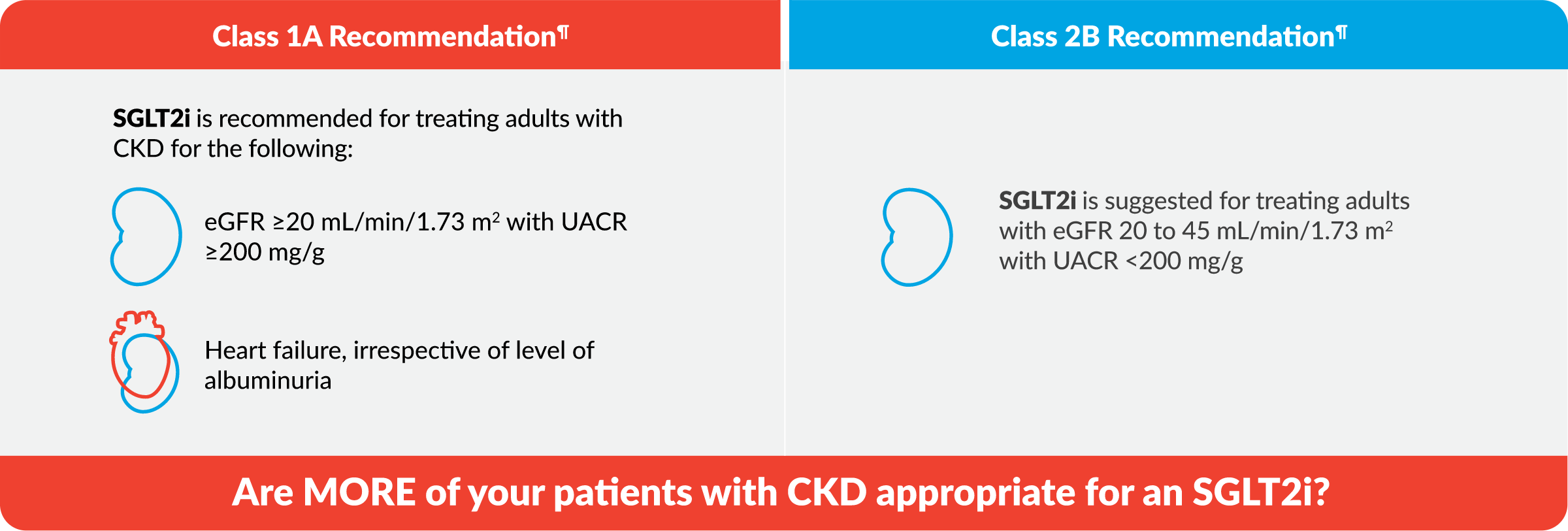
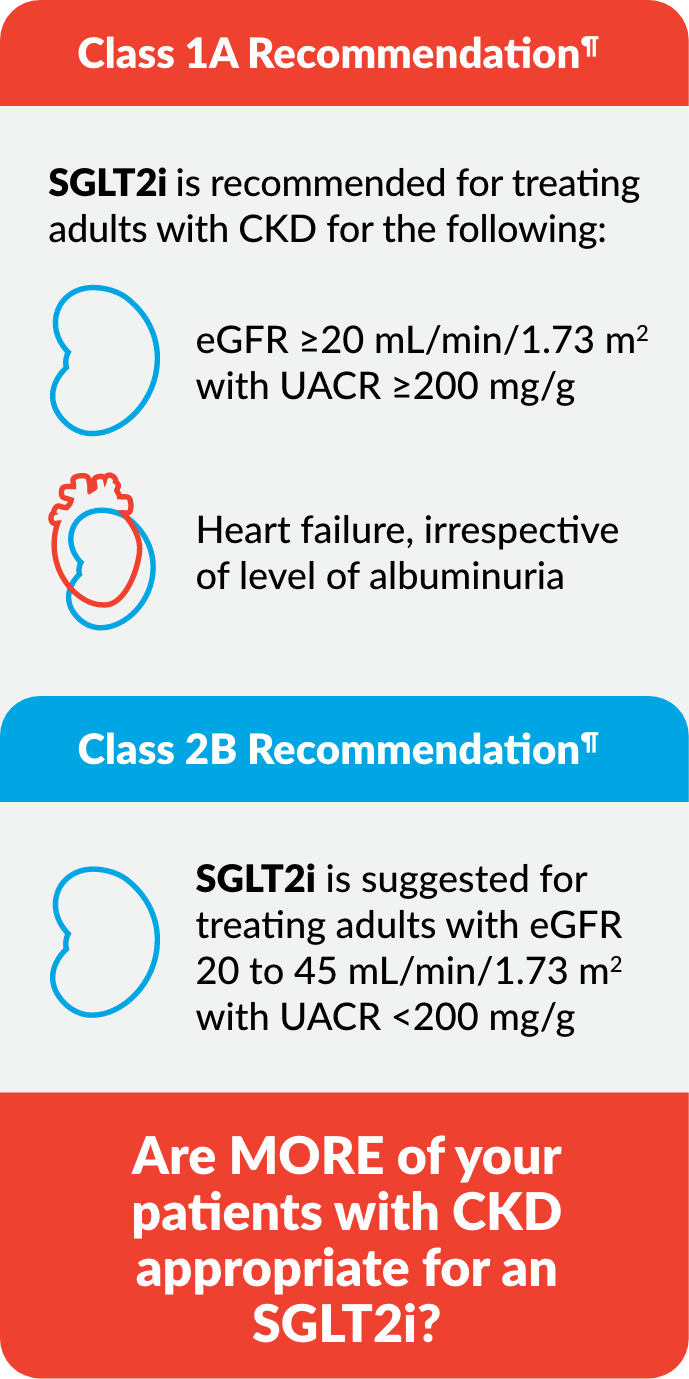
FARXIGA® (dapagliflozin) can be initiated in adults with an eGFR as low as 25 mL/min/1.73 m2. If eGFR declines below 25 mL/min/1.73 m2, FARXIGA may be continued to reduce the risk of eGFR decline, ESKD, CV death, and hHF.1
¶Level 1= “We recommend” and Grade A=High certainty of evidence. Level 2= “We suggest” and Grade B=Moderate certainty of evidence.9
CKD=chronic kidney disease; CV=cardiovascular; eGFR=estimated glomerular filtration rate; ESKD=end-stage kidney disease; hHF=hospitalization for heart failure; KDIGO=Kidney Disease: Improving Global Outcomes; SGLT2i=sodium-glucose cotransporter 2 inhibitor; UACR=urine albumin-to-creatinine ratio.


Contraindications
- History of serious hypersensitivity reaction to dapagliflozin or any of the excipients in FARXIGA.
Warnings and Precautions
- Ketoacidosis: FARXIGA significantly increases the risk of diabetic ketoacidosis in patients with type 1 diabetes mellitus. Type 2 diabetes mellitus and pancreatic disorders are also risk factors. There have been postmarketing reports of fatal events of ketoacidosis in patients with type 2 diabetes mellitus using SGLT2 inhibitors, including FARXIGA. Consider ketone monitoring in patients with type 1 diabetes mellitus and in others at risk for ketoacidosis. Assess patients who present with signs and symptoms of metabolic acidosis for ketoacidosis, regardless of blood glucose levels. If suspected, discontinue FARXIGA, evaluate and treat promptly. Withhold FARXIGA, if possible, in temporary clinical situations that could predispose patients to ketoacidosis. Resume FARXIGA when the patient is clinically stable and has resumed oral intake
- Volume Depletion: FARXIGA can cause intravascular volume depletion, which may manifest as symptomatic hypotension or acute transient changes in creatinine. Acute kidney injury requiring hospitalization and dialysis has been reported in patients with type 2 diabetes mellitus receiving SGLT2 inhibitors, including FARXIGA. Patients with impaired renal function (eGFR less than 60 mL/min/1.73 m2), elderly patients, or patients on loop diuretics may be at increased risk for volume depletion or hypotension. Before initiating FARXIGA in these patients, assess volume status and renal function. After initiating therapy, monitor for signs and symptoms of hypotension and renal function
- Genitourinary Infections, including Urosepsis, Pyelonephritis, Necrotizing Fasciitis of the Perineum (Fournier’s Gangrene), and Genital Mycotic Infections: FARXIGA increases urinary glucose excretion and increases the risk of genitourinary infections including urinary tract infections and genital mycotic infections in both male and female patients. Serious genitourinary infections including urosepsis, pyelonephritis, and necrotizing fasciitis of the perineum (Fournier’s gangrene, a rare life-threatening infection requiring urgent surgical intervention), have occurred in patients receiving SGLT2 inhibitors, including FARXIGA. Cases have required hospitalization. In patients with Fournier’s gangrene, serious outcomes have included multiple surgeries and death. Patients with a history of genitourinary infections are more likely to develop genitourinary infections when using FARXIGA. Monitor patients for signs and symptoms of genitourinary infections and treat promptly, if indicated. Immediately evaluate patients presenting with pain or tenderness, erythema, or swelling in the genital or perineal area, along with fever or malaise, for necrotizing fasciitis and if suspected, discontinue FARXIGA, and promptly institute appropriate medical and/or surgical intervention
- Hypoglycemia: FARXIGA can increase the risk of hypoglycemia when coadministered with insulin and insulin secretagogues. Consider lowering the dose of these agents when coadministered with FARXIGA
Use in Specific Populations
- Pregnancy: Advise females of potential risk to a fetus especially during the second and third trimesters
- Lactation: FARXIGA is not recommended when breastfeeding
FARXIGA is indicated:
- as an adjunct to diet and exercise to improve glycemic control in adults and pediatric patients aged 10 years and older with type 2 diabetes mellitus
- to reduce the risk of hospitalization for heart failure in adults with type 2 diabetes mellitus and either established cardiovascular (CV) disease or multiple CV risk factors
- to reduce the risk of cardiovascular death, hospitalization for heart failure, and urgent heart failure visit in adults with heart failure
- to reduce the risk of sustained eGFR decline, end-stage kidney disease, cardiovascular death, and hospitalization for heart failure in adults with chronic kidney disease at risk of progression
FARXIGA is not recommended for use to improve glycemic control in patients with type 1 diabetes mellitus.
FARXIGA is not recommended for use to improve glycemic control in patients with type 2 diabetes mellitus with an eGFR less than 45 mL/min/1.73 m2. FARXIGA is likely to be ineffective in this setting based upon its mechanism of action.
FARXIGA is not recommended for the treatment of chronic kidney disease in patients with polycystic kidney disease or patients requiring or with a recent history of immunosuppressive therapy for kidney disease. FARXIGA is not expected to be effective in these populations.
DOSING
To improve glycemic control in adults and pediatric patients aged 10 years and older with T2D, the recommended starting dose is 5 mg orally once daily. Dose can be increased to 10 mg orally once daily for additional glycemic control.
For other indications in adults, the recommended dose is 10 mg orally once daily.

Please read US Full Prescribing Information and Medication Guide for FARXIGA.
You may report side effects related to AstraZeneca products .
References:
- FARXIGA® (dapagliflozin) [package insert]. Wilmington, DE: AstraZeneca Pharmaceuticals LP; 2026.
- US FDA approves FARXIGATM (dapagliflozin) tablets for the treatment of adult patients with type 2 diabetes. News release. AstraZeneca Pharmaceuticals LP. January 13, 2014. Accessed February 4, 2026. https://www.astrazeneca.com/media-centre/press-releases/2014/us-fda-approved-farxiga-treatment-type-2-diabetes-patients-13012014.html#
- FARXIGA® (dapagliflozin) [package insert]. Wilmington, DE: AstraZeneca Pharmaceuticals LP; 2023.
- Heidenreich PA, Bozkurt B, Aguilar D, et al; Writing Committee Members. 2022 AHA/ACC/HFSA Guideline for the Management of Heart Failure: A Report of the American College of Cardiology/American Heart Association Joint Committee on Clinical Practice Guidelines. J Am Coll Cardiol. Published online March 24, 2022. doi:10.1016/j.jacc.2021.12.012
- Virani SS, Alonso A, Benjamin EJ, et al; American Heart Association Council on Epidemiology and Prevention Statistics Committee and Stroke Statistics Subcommittee. Heart disease and stroke statistics—2020 update: a report from the American Heart Association. Circulation. 2020;141(9):e139-e596.
- Damman K, Valente MAE, Voors AA, O’Connor CM, van Veldhuisen DJ, Hillege HL. Renal impairment, worsening renal function, and outcome in patients with heart failure: an updated meta-analysis. Eur Heart J. 2014;35(7):455-469.
- FARXIGA® (dapagliflozin) [package insert]. Wilmington, DE: AstraZeneca Pharmaceuticals LP; 2023.
- McMurray JJV, Solomon SD, Inzucchi SE, et al; DAPA-HF Trial Committees and Investigators. Dapagliflozin in patients with heart failure and reduced ejection fraction. N Engl J Med. 2019;381(21):1995-2008.
- Heidenreich PA, Bozkurt B, Aguilar D, et al; Writing Committee Members. 2022 AHA/ACC/HFSA Guideline for the Management of Heart Failure: A Report of the American College of Cardiology/American Heart Association Joint Committee on Clinical Practice Guidelines. J Am Coll Cardiol. Published online March 24, 2022. doi:10.1016/j.jacc.2021.12.012
- Invokana® (canagliflozin) [package insert]. Titusville, NJ: Janssen Pharmaceuticals, Inc; 2022.
- Jardiance® (empagliflozin) [package insert]. Ridgefield, CT: Boehringer Ingelheim Pharmaceuticals, Inc; 2022.
- Steglatro® (ertugliflozin) [package insert]. Whitehouse Station, NJ: Merck & Co, Inc; 2022.
- Jhund PS, Solomon SD, Docherty KF, et al. Efficacy of dapagliflozin on renal function and outcomes in patients with heart failure with reduced ejection fraction: results of DAPA-HF. Circulation. 2021;143(4):298-309.
- Heerspink HJL, Stefánsson BV, Correa-Rotter R, et al; DAPA-CKD Trial Committees and Investigators. Dapagliflozin in patients with chronic kidney disease. N Engl J Med. 2020;383(15):1436-1446.
- Wheeler DC, Stefánsson BV, Jongs N, et al; DAPA-CKD Trial Committees and Investigators. Effects of dapagliflozin on major adverse kidney and cardiovascular events in patients with diabetic and non-diabetic chronic kidney disease: a prespecified analysis from the DAPA-CKD trial. Lancet Diabetes Endocrinol. 2021;9(1):22-31.
- Wiviott SD, Raz I, Bonaca MP, et al; DECLARE-TIMI 58 Investigators. Dapagliflozin and cardiovascular outcomes in type 2 diabetes. N Engl J Med. 2019;380(4):347-357.
- Supplement to: Heerspink HJL, Stefánsson BV, Correa-Rotter R, et al; DAPA-CKD Trial Committees and Investigators. Dapagliflozin in patients with chronic kidney disease. N Engl J Med. 2020;383(15):1436-1446.
- Supplement to: Wheeler DC, Stefánsson BV, Jongs N, et al; DAPA-CKD Trial Committees and Investigators. Effects of dapagliflozin on major adverse kidney and cardiovascular events in patients with diabetic and non-diabetic chronic kidney disease: a prespecified analysis from the DAPA-CKD trial. Lancet Diabetes Endocrinol. 2021;9(1):22-31.
- Petrie MC, Verma S, Docherty KF, et al. Effect of dapagliflozin on worsening heart failure and cardiovascular death in patients with heart failure with and without diabetes. JAMA. 2020;323(14):1353-1368.
- Supplement to: McMurray JJV, Solomon SD, Inzucchi SE, et al; DAPA-HF Trial Committees and Investigators. Dapagliflozin in patients with heart failure and reduced ejection fraction. N Engl J Med. 2019;381(21):1995-2008.
- Data on File, REF-74540; AstraZeneca Pharmaceuticals LP.
- FARXIGA® (dapagliflozin) [package insert]. Wilmington, DE: AstraZeneca Pharmaceuticals LP; 2023.
- Invokana® (canagliflozin) [package insert]. Titusville, NJ: Janssen Pharmaceuticals, Inc; 2022.
- Jardiance® (empagliflozin) [package insert]. Ridgefield, CT: Boehringer Ingelheim Pharmaceuticals, Inc; 2022.
- Steglatro® (ertugliflozin) [package insert]. Whitehouse Station, NJ: Merck & Co, Inc; 2022.
- Heerspink HJL, Stefánsson BV, Correa-Rotter R, et al; DAPA-CKD Trial Committees and Investigators. Dapagliflozin in patients with chronic kidney disease. N Engl J Med. 2020;383(15):1436-1446.
- McMurray JJV, Wheeler DC, Stefánsson BV, et al; DAPA-CKD Trial Committees and Investigators. Effects of dapagliflozin in patients with kidney disease, with and without heart failure. JACC Heart Fail. 2021;9(11):807-820.
- McMurray JJV, Solomon SD, Inzucchi SE, et al; DAPA-HF Trial Committees and Investigators. Dapagliflozin in patients with heart failure and reduced ejection fraction. N Engl J Med. 2019;381(21):1995-2008.
- Wheeler DC, Stefánsson BV, Jongs N, et al; DAPA-CKD Trial Committees and Investigators. Effects of dapagliflozin on major adverse kidney and cardiovascular events in patients with diabetic and non-diabetic chronic kidney disease: a prespecified analysis from the DAPA-CKD trial. Lancet Diabetes Endocrinol. 2021;9(1):22-31.
- Wiviott SD, Raz I, Bonaca MP, et al; DECLARE-TIMI 58 Investigators. Dapagliflozin and cardiovascular outcomes in type 2 diabetes. N Engl J Med. 2019;380(4):347-357.
- Supplement to: Heerspink HJL, Stefánsson BV, Correa-Rotter R, et al; DAPA-CKD Trial Committees and Investigators. Dapagliflozin in patients with chronic kidney disease. N Engl J Med. 2020;383(15):1436-1446.
- Supplement to: Wheeler DC, Stefánsson BV, Jongs N, et al; DAPA-CKD Trial Committees and Investigators. Effects of dapagliflozin on major adverse kidney and cardiovascular events in patients with diabetic and non-diabetic chronic kidney disease: a prespecified analysis from the DAPA-CKD trial. Lancet Diabetes Endocrinol. 2021;9(1):22-31.
- FARXIGA® (dapagliflozin) [package insert]. Wilmington, DE: AstraZeneca Pharmaceuticals LP; 2023.
- Invokana® (canagliflozin) [package insert]. Titusville, NJ: Janssen Pharmaceuticals, Inc; 2022.
- Jardiance® (empagliflozin) [package insert]. Ridgefield, CT: Boehringer Ingelheim Pharmaceuticals, Inc; 2022.
- Steglatro® (ertugliflozin) [package insert]. Whitehouse Station, NJ: Merck & Co, Inc; 2022.
- Wirtz HS, Sheer R, Honarpour N, et al. Real-world analysis of guideline-based therapy after hospitalization for heart failure. J Am Heart Assoc. 2020;9(16):e015042.
- Ronco C, Haapio M, House AA, Anavekar N, Bellomo R. Cardiorenal syndrome. J Am Coll Cardiol. 2008;52(19):1527-1539.
- Centers for Disease Control and Prevention. Chronic kidney disease initiative—protecting kidney health. January 2015. Accessed February 25, 2022.
- Brenner BM, Cooper ME, de Zeeuw D, et al; RENAAL Study Investigators. Effects of losartan on renal and cardiovascular outcomes in patients with type 2 diabetes and nephropathy. N Engl J Med. 2001;345(12):861-869.
- Lewis EJ, Hunsicker LG, Clarke WR, et al; Collaborative Study Group. Renoprotective effect of the angiotensin-receptor antagonist irbesartan in patients with nephropathy due to type 2 diabetes. N Engl J Med. 2001;345(12):851-860.
- Lewis EJ, Hunsicker LG, Bain RP, Rohde RD. The effect of angiotensin-converting-enzyme inhibition on diabetic nephropathy. The Collaborative Study Group. N Engl J Med. 1993;329(20):1456-1462.
- Fox CS, Matsushita K, Woodward M, et al; Chronic Kidney Disease Prognosis Consortium. Associations of kidney disease measures with mortality and end-stage renal disease in individuals with and without diabetes: a meta-analysis. Lancet. 2012;380(9854):1662-1673.
- National Kidney Foundation. Estimated glomerular filtration rate (eGFR). Accessed February 25, 2022. https://www.kidney.org/atoz/content/gfr
- FARXIGA® (dapagliflozin) [package insert]. Wilmington, DE: AstraZeneca Pharmaceuticals LP; 2023.
- Invokana® (canagliflozin) [package insert]. Titusville, NJ: Janssen Pharmaceuticals, Inc; 2022.
- Jardiance® (empagliflozin) [package insert]. Ridgefield, CT: Boehringer Ingelheim Pharmaceuticals, Inc; 2022.
- Cannon CP, McGuire DK, Pratley R, et al. Design and baseline characteristics of the eValuation of ERTugliflozin effIcacy and Safety CardioVascular outcomes trial (VERTIS-CV). Am Heart J. 2018;206:11-23.
- Bhatt DL, Szarek M, Pitt B, et al; SCORED Investigators. Sotagliflozin in patients with diabetes and chronic kidney disease. N Engl J Med. 2021;384(2):129-139.
- Wiviott SD, Raz I, Bonaca MP, et al; DECLARE-TIMI 58 Investigators. Dapagliflozin and cardiovascular outcomes in type 2 diabetes. N Engl J Med. 2019;380(4):347-357.
- Data on File, REF-62129; AstraZeneca Pharmaceuticals LP.
- Supplementary appendix to: Wiviott SD, Raz I, Bonaca MP, et al; DECLARE-TIMI 58 Investigators. Dapagliflozin and cardiovascular outcomes in type 2 diabetes. N Engl J Med. 2019;380(4):347-357.
- Multicenter trial to evaluate the effect of dapagliflozin on the incidence of cardiovascular events (DECLARE-TIMI58). ClinicalTrials.gov identifier: NCT01730534. Updated December 26, 2019. Accessed November 11, 2020. https://www.clinicaltrials.gov/ct2/show/results/NCT01730534
- Steglatro® (ertugliflozin) [package insert]. Whitehouse Station, NJ: Merck & Co, Inc; 2022.
- FARXIGA® (dapagliflozin) [package insert]. Wilmington, DE: AstraZeneca Pharmaceuticals LP; 2026.
- Heerspink HJL, Stefánsson BV, Correa-Rotter R, et al; DAPA-CKD Trial Committees and Investigators. Dapagliflozin in patients with chronic kidney disease. N Engl J Med. 2020;383(15):1436-1446 and Supplementary Appendix.
- Invokana® (canagliflozin) [package insert]. Titusville, NJ: Janssen Pharmaceuticals, Inc; 2026.
- Jardiance® (empagliflozin) [package insert]. Ridgefield, CT: Boehringer Ingelheim Pharmaceuticals, Inc; 2026.
- Steglatro® (ertugliflozin) [package insert]. Whitehouse Station, NJ: Merck & Co, Inc; 2026.
- Inpefa® (sotagliflozin) [package insert]. The Woodlands, TX: Lexicon Pharmaceuticals, Inc.; 2024.
- Brenzavvy® (bexagliflozin) [package insert]. Marlborough, MA: TheracosBio, LLC; 2026.
- Wheeler DC, Stefánsson BV, Jongs N, et al; DAPA-CKD Trial Committees and Investigators. Effects of dapagliflozin on major adverse kidney and cardiovascular events in patients with diabetic and non-diabetic chronic kidney disease: a prespecified analysis from the DAPA-CKD trial. Lancet Diabetes Endocrinol. 2021;9(1):22-31 and Supplementary Appendix.
- Kidney Disease: Improving Global Outcomes (KDIGO) CKD Work Group. KDIGO 2024 clinical practice guideline for the evaluation and management of chronic kidney disease. Kidney Int. 2024;105(4S):S117-S314.
- FARXIGA® (dapagliflozin) [package insert]. Wilmington, DE: AstraZeneca Pharmaceuticals LP; 2026.
- McMurray JJV, Solomon SD, Inzucchi SE, et al; DAPA-HF Trial Committees and Investigators. Dapagliflozin in patients with heart failure and reduced ejection fraction. N Engl J Med. 2019;381(21):1995-2008.
- Solomon SD, McMurray JJV, Claggett B, et al; DELIVER Trial Committees and Investigators. Dapagliflozin in heart failure with mildly reduced or preserved ejection fraction. N Engl J Med. 2022;387(12):1089-1098 and Supplementary Appendix.
- Berg DD, Jhund PS, Docherty KF, et al. Time to clinical benefit of dapagliflozin and significance of prior heart failure hospitalization in patients with heart failure with reduced ejection fraction. JAMA Cardiol. 2021;6(5):499-507.
- Vaduganathan M, Claggett BL, Jhund P, et al. Time to clinical benefit of dapagliflozin in patients with heart failure with mildly reduced or preserved ejection fraction: a prespecified secondary analysis of the DELIVER randomized clinical trial. JAMA Cardiol. 2022;7(12):1259-1263.
- Solomon SD. Dapagliflozin in heart failure with mildly reduced or preserved ejection fraction: the DELIVER trial [presentation]. Presented at: European Society of Cardiology Congress; August 26-29, 2022; Barcelona, Spain.
- Invokana® (canagliflozin) [package insert]. Titusville, NJ: Janssen Pharmaceuticals, Inc; 2026.
- Jardiance® (empagliflozin) [package insert]. Ridgefield, CT: Boehringer Ingelheim Pharmaceuticals, Inc; 2026.
- Steglatro® (ertugliflozin) [package insert]. Whitehouse Station, NJ: Merck & Co, Inc; 2026.
- Inpefa® (sotagliflozin) [package insert]. The Woodlands, TX: Lexicon Pharmaceuticals, Inc.; 2024.
- Brenzavvy® (bexagliflozin) [package insert]. Marlborough, MA: TheracosBio, LLC; 2026.
- Heidenreich PA, Bozkurt B, Aguilar D, et al. 2022 AHA/ACC/HFSA guideline for the management of heart failure: a report of the American College of Cardiology/American Heart Association Joint Committee on Clinical Practice Guidelines. Circulation. 2022;145(18):e895-e1032.
- Tromp J, Ouwerkerk W, van Veldhuisen DJ, et al. A systematic review and network meta-analysis of pharmacological treatment of heart failure with reduced ejection fraction. JACC Heart Fail. 2022;10(2):73-84.
- Kittleson MM, Panjrath GS, Amancherla K, et al. ACC expert consensus decision pathway on management of heart failure with preserved ejection fraction: a report of the American College of Cardiology Solution Set Oversight Committee. J Am Coll Cardiol. 2023;81(18):1835-1878.
- FARXIGA® (dapagliflozin) [package insert]. Wilmington, DE: AstraZeneca Pharmaceuticals LP; 2023.
- Invokana® (canagliflozin) [package insert]. Titusville, NJ: Janssen Pharmaceuticals, Inc; 2022.
- Jardiance® (empagliflozin) [package insert]. Ridgefield, CT: Boehringer Ingelheim Pharmaceuticals, Inc; 2022.
- Steglatro® (ertugliflozin) [package insert]. Whitehouse Station, NJ: Merck & Co, Inc; 2022.
- Heerspink HJL, Stefánsson BV, Correa-Rotter R, et al; DAPA-CKD Trial Committees and Investigators. Dapagliflozin in patients with chronic kidney disease. N Engl J Med. 2020;383(15):1436-1446.
- Wheeler DC, Stefánsson BV, Jongs N, et al; DAPA-CKD Trial Committees and Investigators. Effects of dapagliflozin on major adverse kidney and cardiovascular events in patients with diabetic and non-diabetic chronic kidney disease: a prespecified analysis from the DAPA-CKD trial. Lancet Diabetes Endocrinol.
- Wiviott SD, Raz I, Bonaca MP, et al; DECLARE-TIMI 58 Investigators. Dapagliflozin and cardiovascular outcomes in type 2 diabetes. N Engl J Med. 2019;380(4):347-357.
- McMurray JJV, Solomon SD, Inzucchi SE, et al; DAPA-HF Trial Committees and Investigators. Dapagliflozin in patients with heart failure and reduced ejection fraction. N Engl J Med. 2019;381(21):1995-2008.
- Supplement to: Heerspink HJL, Stefánsson BV, Correa-Rotter R, et al; DAPA-CKD Trial Committees and Investigators. Dapagliflozin in patients with chronic kidney disease. N Engl J Med. 2020;383(15):1436-1446.
- Supplement to: Wheeler DC, Stefánsson BV, Jongs N, et al; DAPA-CKD Trial Committees and Investigators. Effects of dapagliflozin on major adverse kidney and cardiovascular events in patients with diabetic and non-diabetic chronic kidney disease: a prespecified analysis from the DAPA-CKD trial. Lancet Diabetes Endocrinol.
- FARXIGA® (dapagliflozin) [package insert]. Wilmington, DE: AstraZeneca Pharmaceuticals LP; 2023.
- McMurray JJV, Solomon SD, Inzucchi SE, et al; DAPA-HF Trial Committees and Investigators. Dapagliflozin in patients with heart failure and reduced ejection fraction. N Engl J Med. 2019;381(21):1995-2008.
- Sidney S, Go AS, Jaffe MG, Solomon MD, Ambrosy AP, Rana JS. Association between aging of the US population and heart disease mortality from 2011 to 2017. JAMA Cardiol. 2019;4(12):1280-1286.
- Study to evaluate the effect of dapagliflozin on the incidence of worsening heart failure or cardiovascular death in patients with chronic heart failure (DAPA-HF). ClinicalTrials.gov identifier: NCT03036124. Updated September 1, 2020. Accessed October 13, 2021. https://www.clinicaltrials.gov/ct2/show/results/NCT03036124
- Petrie MC, Verma S, Docherty KF, et al. Effect of dapagliflozin on worsening heart failure and cardiovascular death in patients with heart failure with and without diabetes. JAMA. 2020;323(14):1353-1368.
IMPORTANT SAFETY INFORMATION FOR BYDUREON BCise®
(exenatide extended-release) injectable suspension 2 mg
WARNING: RISK OF THYROID C-CELL TUMORS
- Exenatide extended-release causes an increased incidence in thyroid C-cell tumors at clinically relevant exposures in rats compared to controls. It is unknown whether BYDUREON BCise causes thyroid C-cell tumors, including medullary thyroid carcinoma (MTC) in humans, as the human relevance of exenatide extended-release-induced rodent thyroid C-cell tumors has not been determined
- BYDUREON BCise is contraindicated in patients with a personal or family history of MTC or in patients with Multiple Endocrine Neoplasia syndrome type 2 (MEN 2). Counsel patients regarding the potential risk of MTC with the use of BYDUREON BCise and inform them of symptoms of thyroid tumors (eg, mass in the neck, dysphagia, dyspnea, persistent hoarseness). Routine monitoring of serum calcitonin or using thyroid ultrasound is of uncertain value for detection of MTC in patients treated with BYDUREON BCise
CONTRAINDICATIONS
- Personal or family history of MTC, patients with MEN 2
- Prior serious hypersensitivity reactions to exenatide or product components
- History of drug-induced, immune-mediated thrombocytopenia from exenatide products
WARNINGS AND PRECAUTIONS
- Acute Pancreatitis including fatal and non-fatal hemorrhagic or necrotizing pancreatitis has been reported. After initiation, observe patients carefully for symptoms of pancreatitis. If suspected, discontinue promptly and do not restart if confirmed. Consider other antidiabetic therapies in patients with a history of pancreatitis
- Hypoglycemia Risk of hypoglycemia, including severe hypoglycemia, is increased when exenatide is coadministered with insulin or insulin secretagogues. Consider lowering the dose of these agents when coadministered with BYDUREON BCise
- Acute Kidney Injury May induce nausea and vomiting with transient hypovolemia and may worsen renal function. Increased serum creatinine, renal impairment, worsened chronic renal failure, and acute renal failure, sometimes requiring hemodialysis and kidney transplantation have been reported. Not recommended in patients with eGFR <45 mL/min/1.73 m2
- Gastrointestinal Disease Because exenatide is commonly associated with gastrointestinal adverse reactions, not recommended in patients with severe gastrointestinal disease (eg, gastroparesis)
- Immunogenicity-Associated Decreased Glycemic Control Patients may develop antibodies to exenatide. Patients with higher titer antibodies may have an attenuated HbA1c response. In clinical trials, attenuated glycemic response was associated with BYDUREON BCise-treated patients. If worsening of or failure to achieve adequate glycemic control occurs, consider alternative antidiabetic therapy
- Hypersensitivity Reactions Reports of serious hypersensitivity reactions (eg, anaphylaxis and angioedema). If this occurs, patients should discontinue BYDUREON BCise and promptly seek medical advice
- Drug-induced, immune-mediated thrombocytopenia and associated bleeding has been reported with exenatide. Serious bleeding, which may be fatal, has been reported. Discontinue promptly if suspected and avoid re-exposure to exenatide
- Serious Injection-Site Reactions (eg, abscess, cellulitis, and necrosis), with or without subcutaneous nodules, have been reported
- Acute Gallbladder Disease has been reported in GLP-1 receptor agonist trials, including exenatide. If cholelithiasis or cholecystitis are suspected, gallbladder studies are indicated
ADVERSE REACTIONS
Most common (≥5%) in clinical trials: injection-site nodule (10.5%), nausea (8.2%). Adverse reactions in patients 10 to 17 years of age treated with BYDUREON (exenatide extended-release) were similar to that in adults
DRUG INTERACTIONS
- Oral Medications BYDUREON BCise slows gastric emptying and may reduce the rate of absorption of orally administered drugs
- Warfarin Increased international normalized ratio (INR) sometimes associated with bleeding has been reported with concomitant use of exenatide with warfarin. Monitor INR frequently until stable upon initiation of BYDUREON BCise
PREGNANCY
Use during pregnancy only if the potential benefit justifies the potential risk to the fetus.
INDICATION AND LIMITATIONS OF USE
BYDUREON BCise is indicated as an adjunct to diet and exercise to improve glycemic control in adults and pediatric patients aged 10 years and older with type 2 diabetes mellitus
- Not recommended as first-line therapy for patients inadequately controlled on diet and exercise
- Not indicated to treat type 1 diabetes
- Do not coadminister with other exenatide-containing products
- Not studied in patients with a history of pancreatitis. Consider other antidiabetic therapies in patients with a history of pancreatitis
References:
- FARXIGA® (dapagliflozin) [package insert]. Wilmington, DE: AstraZeneca Pharmaceuticals LP; 2023.
- Henry RR, Murray AV, Marmolejo MH, Hennicken D, Ptaszynska A, List JF. Dapagliflozin, metformin XR, or both: initial pharmacotherapy for type 2 diabetes, a randomised controlled trial. Int J Clin Pract. 2012;66(5):446-456.
- Wilding JPH, Woo V, Soler NG, et al. Long-term efficacy of dapagliflozin in patients with type 2 diabetes mellitus receiving high doses of insulin: a randomized trial. Ann Intern Med. 2012;156(6):405-415.
- BYDUREON BCise® (exenatide extended-release) injectable suspension [package insert]. Wilmington, DE: AstraZeneca Pharmaceuticals LP; 2022.
- Frías JP, Guja C, Hardy E, et al. Exenatide once weekly plus dapagliflozin once daily versus exenatide or dapagliflozin alone in patients with type 2 diabetes inadequately controlled with metformin monotherapy (DURATION-8): a 28 week, multicentre, double-blind, phase 3, randomised controlled trial. Lancet Diabetes Endocrinol. 2016;4(12):1004-1016.
- Nauck MA, Del Prato S, Meier JJ, et al. Dapagliflozin versus glipizide as add-on therapy in patients with type 2 diabetes who have inadequate glycemic control with metformin: a randomized, 52-week, double-blind, active-controlled noninferiority trial. Diabetes Care. 2011;34(9):2015-2022.
- FARXIGA® (dapagliflozin) [package insert]. Wilmington, DE: AstraZeneca Pharmaceuticals LP; 2023.
- Invokana® (canagliflozin) [package insert]. Titusville, NJ: Janssen Pharmaceuticals, Inc; 2022.
- Jardiance® (empagliflozin) [package insert]. Ridgefield, CT: Boehringer Ingelheim Pharmaceuticals, Inc; 2022.
- Steglatro® (ertugliflozin) [package insert]. Whitehouse Station, NJ: Merck & Co, Inc; 2022.
- Taylor KS, Heneghan CJ, Farmer AJ, et al. All-cause and cardiovascular mortality in middle-aged people with type 2 diabetes compared with people without diabetes in a large U.K. primary care database. Diabetes Care. 2013;36(8):2366-2371.
- American Diabetes Association. Cardiovascular disease. Accessed February 25, 2022. https://www.diabetes.org/diabetes/cardiovascular-disease
- Hapca S, Siddiqui MK, Kwan RSY, et al; BEAt-DKD Consortium. The relationship between AKI and CKD in patients with type 2 diabetes: an observational cohort study. J Am Soc Nephrol. 2021;32(1):138-150.
- Ma L, Zhao S. Risk factors for mortality in patients undergoing hemodialysis: a systematic review and meta-analysis. Int J Cardiol. 2017;238:151-158.
- FARXIGA® (dapagliflozin) [package insert]. Wilmington, DE: AstraZeneca Pharmaceuticals LP; 2023.
- Invokana® (canagliflozin) [package insert]. Titusville, NJ: Janssen Pharmaceuticals, Inc; 2022.
- Jardiance® (empagliflozin) [package insert]. Ridgefield, CT: Boehringer Ingelheim Pharmaceuticals, Inc; 2022.
- Steglatro® (ertugliflozin) [package insert]. Whitehouse Station, NJ: Merck & Co, Inc; 2022.
- Heerspink HJL, Stefánsson BV, Correa-Rotter R, et al; DAPA-CKD Trial Committees and Investigators. Dapagliflozin in patients with chronic kidney disease. N Engl J Med. 2020;383(15):1436-1446.
- Sharaf El Din UAA, Salem MM, Abdulazim DO. Stop chronic kidney disease progression: time is approaching. World J Nephrol. 2016;5(3):258-273.
- Pun PH. The interplay between CKD, sudden cardiac death, and ventricular arrhythmias. Adv Chronic Kidney Dis. 2014;21(6):480-488.
- Dhingra R, Gaziano JM, Djoussé L. Chronic kidney disease and the risk of heart failure in men. Circ Heart Fail. 2011;4(2):138-144.
- Fox CS, Matsushita K, Woodward M, et al; Chronic Kidney Disease Prognosis Consortium. Associations of kidney disease measures with mortality and end-stage renal disease in individuals with and without diabetes: a meta-analysis. Lancet. 2012;380(9854):1662-1673.
- FARXIGA® (dapagliflozin) [package insert]. Wilmington, DE: AstraZeneca Pharmaceuticals LP; 2023.
- Invokana® (canagliflozin) [package insert]. Titusville, NJ: Janssen Pharmaceuticals, Inc; 2022.
- Jardiance® (empagliflozin) [package insert]. Ridgefield, CT: Boehringer Ingelheim Pharmaceuticals, Inc; 2022.
- Steglatro® (ertugliflozin) [package insert]. Whitehouse Station, NJ: Merck & Co, Inc; 2022.
- Heerspink HJL, Stefánsson BV, Correa-Rotter R, et al; DAPA-CKD Trial Committees and Investigators. Dapagliflozin in patients with chronic kidney disease. N Engl J Med. 2020;383(15):1436-1446.
- Wheeler DC, Stefánsson BV, Jongs N, et al; DAPA-CKD Trial Committees and Investigators. Effects of dapagliflozin on major adverse kidney and cardiovascular events in patients with diabetic and non-diabetic chronic kidney disease: a prespecified analysis from the DAPA-CKD trial. Lancet Diabetes Endocrinol. 2021;9(1):22-31.
- Wiviott SD, Raz I, Bonaca MP, et al; DECLARE-TIMI 58 Investigators. Dapagliflozin and cardiovascular outcomes in type 2 diabetes. N Engl J Med. 2019;380(4):347-357.
- McMurray JJV, Solomon SD, Inzucchi SE, et al; DAPA-HF Trial Committees and Investigators. Dapagliflozin in patients with heart failure and reduced ejection fraction. N Engl J Med. 2019;381(21):1995-2008.
- Supplement to: Heerspink HJL, Stefánsson BV, Correa-Rotter R, et al; DAPA-CKD Trial Committees and Investigators. Dapagliflozin in patients with chronic kidney disease. N Engl J Med. 2020;383(15):1436-1446.
- Supplement to: Wheeler DC, Stefánsson BV, Jongs N, et al; DAPA-CKD Trial Committees and Investigators. Effects of dapagliflozin on major adverse kidney and cardiovascular events in patients with diabetic and non-diabetic chronic kidney disease: a prespecified analysis from the DAPA-CKD trial. Lancet Diabetes Endocrinol.
- FARXIGA® (dapagliflozin) [package insert]. Wilmington, DE: AstraZeneca Pharmaceuticals LP; 2024.
- Sattar N, McLaren J, Kristensen SL, Preiss D, McMurray JJ. SGLT2 inhibition and cardiovascular events: why did EMPA-REG outcomes surprise and what were the likely mechanisms? Diabetologia.
- Verma S, McMurray JJV, Cherney DZI. The metabolodiuretic promise of sodium-dependent glucose cotransporter 2 inhibition: the search for the sweet spot in heart failure. JAMA Cardiol. 2017;2(9):939-940.
References:
Reference:
- Formulary data are provided by Fingertip Formulary® and are current as of January 1, 2021.
- FARXIGA® (dapagliflozin) [package insert]. Wilmington, DE: AstraZeneca Pharmaceuticals LP; 2023.
- Invokana® (canagliflozin) [package insert]. Titusville, NJ: Janssen Pharmaceuticals, Inc; 2022.
- Jardiance® (empagliflozin) [package insert]. Ridgefield, CT: Boehringer Ingelheim Pharmaceuticals, Inc; 2022.
- Steglatro® (ertugliflozin) [package insert]. Whitehouse Station, NJ: Merck & Co, Inc; 2022.
- FARXIGA® (dapagliflozin) [package insert]. Wilmington, DE: AstraZeneca Pharmaceuticals LP; 2026.
CV=cardiovascular; EF=ejection fraction; FDA=US Food and Drug Administration; HF=heart failure.
Reference: 1. FARXIGA® (dapagliflozin) [package insert]. Wilmington, DE: AstraZeneca Pharmaceuticals LP; 2023.
- FARXIGA® (dapagliflozin) [package insert]. Wilmington, DE: AstraZeneca Pharmaceuticals LP; 2026.
- Henry RR, Murray AV, Marmolejo MH, et al. Dapagliflozin, metformin XR, or both: initial pharmacotherapy for type 2 diabetes, a randomised controlled trial. Int J Clin Pract. 2012;66(5):446-456.
- Wilding JPH, Woo V, Soler NG, et al. Long-term efficacy of dapagliflozin in patients with type 2 diabetes mellitus receiving high doses of insulin: a randomized trial. Ann Intern Med. 2012;156(6):405-415.
- Nauck MA, Del Prato S, Meier JJ, et al. Dapagliflozin versus glipizide as add-on therapy in patients with type 2 diabetes who have inadequate glycemic control with metformin: a randomized, 52-week, double-blind, active-controlled noninferiority trial. Diabetes Care. 2011;34(9):2015-2022.
- Invokana® (canagliflozin) [package insert]. Titusville, NJ: Janssen Pharmaceuticals, Inc; 2026.
- Jardiance® (empagliflozin) [package insert]. Ridgefield, CT: Boehringer Ingelheim Pharmaceuticals, Inc; 2026.
- Steglatro® (ertugliflozin) [package insert]. Whitehouse Station, NJ: Merck & Co, Inc; 2026.
- Inpefa® (sotagliflozin) [package insert]. The Woodlands, TX: lexicon Pharmaceuticals, Inc; 2024.
- Brenzavvy® (bexagliflozin) [package insert]. Marlborough, MA: TheracosBio, LLC; 2026.
- Data on File, REF-62129. AstraZeneca Pharmaceuticals LP.
- Wiviott SD, Raz I, Bonaca MP, et al; DECLARE-TIMI 58 Investigators. Dapagliflozin and cardiovascular outcomes in type 2 diabetes. N Engl J Med. 2019;380(4):347-357.
Contraindications
- History of serious hypersensitivity reaction to dapagliflozin or any of the excipients in FARXIGA.
Warnings and Precautions
- Ketoacidosis: FARXIGA significantly increases the risk of diabetic ketoacidosis in patients with type 1 diabetes mellitus. Type 2 diabetes mellitus and pancreatic disorders are also risk factors. There have been postmarketing reports of fatal events of ketoacidosis in patients with type 2 diabetes mellitus using SGLT2 inhibitors, including FARXIGA. Consider ketone monitoring in patients with type 1 diabetes mellitus and in others at risk for ketoacidosis. Assess patients who present with signs and symptoms of metabolic acidosis for ketoacidosis, regardless of blood glucose levels. If suspected, discontinue FARXIGA, evaluate and treat promptly. Withhold FARXIGA, if possible, in temporary clinical situations that could predispose patients to ketoacidosis. Resume FARXIGA when the patient is clinically stable and has resumed oral intake
- Volume Depletion: FARXIGA can cause intravascular volume depletion, which may manifest as symptomatic hypotension or acute transient changes in creatinine. Acute kidney injury requiring hospitalization and dialysis has been reported in patients with type 2 diabetes mellitus receiving SGLT2 inhibitors, including FARXIGA. Patients with impaired renal function (eGFR less than 60 mL/min/1.73 m2), elderly patients, or patients on loop diuretics may be at increased risk for volume depletion or hypotension. Before initiating FARXIGA in these patients, assess volume status and renal function. After initiating therapy, monitor for signs and symptoms of hypotension and renal function
- Genitourinary Infections, including Urosepsis, Pyelonephritis, Necrotizing Fasciitis of the Perineum (Fournier’s Gangrene), and Genital Mycotic Infections: FARXIGA increases urinary glucose excretion and increases the risk of genitourinary infections including urinary tract infections and genital mycotic infections in both male and female patients. Serious genitourinary infections including urosepsis, pyelonephritis, and necrotizing fasciitis of the perineum (Fournier’s gangrene, a rare life-threatening infection requiring urgent surgical intervention), have occurred in patients receiving SGLT2 inhibitors, including FARXIGA. Cases have required hospitalization. In patients with Fournier’s gangrene, serious outcomes have included multiple surgeries and death. Patients with a history of genitourinary infections are more likely to develop genitourinary infections when using FARXIGA. Monitor patients for signs and symptoms of genitourinary infections and treat promptly, if indicated. Immediately evaluate patients presenting with pain or tenderness, erythema, or swelling in the genital or perineal area, along with fever or malaise, for necrotizing fasciitis and if suspected, discontinue FARXIGA, and promptly institute appropriate medical and/or surgical intervention
- Hypoglycemia: FARXIGA can increase the risk of hypoglycemia when coadministered with insulin and insulin secretagogues. Consider lowering the dose of these agents when coadministered with FARXIGA
Use in Specific Populations
- Pregnancy: Advise females of potential risk to a fetus especially during the second and third trimesters
- Lactation: FARXIGA is not recommended when breastfeeding
FARXIGA is indicated:
- as an adjunct to diet and exercise to improve glycemic control in adults and pediatric patients aged 10 years and older with type 2 diabetes mellitus
- to reduce the risk of hospitalization for heart failure in adults with type 2 diabetes mellitus and either established cardiovascular (CV) disease or multiple CV risk factors
- to reduce the risk of cardiovascular death, hospitalization for heart failure, and urgent heart failure visit in adults with heart failure
- to reduce the risk of sustained eGFR decline, end-stage kidney disease, cardiovascular death, and hospitalization for heart failure in adults with chronic kidney disease at risk of progression
FARXIGA is not recommended for use to improve glycemic control in patients with type 1 diabetes mellitus.
FARXIGA is not recommended for use to improve glycemic control in patients with type 2 diabetes mellitus with an eGFR less than 45 mL/min/1.73 m2. FARXIGA is likely to be ineffective in this setting based upon its mechanism of action.
FARXIGA is not recommended for the treatment of chronic kidney disease in patients with polycystic kidney disease or patients requiring or with a recent history of immunosuppressive therapy for kidney disease. FARXIGA is not expected to be effective in these populations.
DOSING
To improve glycemic control in adults and pediatric patients aged 10 years and older with T2D, the recommended starting dose is 5 mg orally once daily. Dose can be increased to 10 mg orally once daily for additional glycemic control.
For other indications in adults, the recommended dose is 10 mg orally once daily.
Please read US Full Prescribing Information and Medication Guide for FARXIGA.
You may report side effects related to AstraZeneca products .
References:
- FARXIGA® (dapagliflozin) [package insert]. Wilmington, DE: AstraZeneca Pharmaceuticals LP; 2026.
- US FDA approves FARXIGATM (dapagliflozin) tablets for the treatment of adult patients with type 2 diabetes. News release. AstraZeneca Pharmaceuticals LP. January 13, 2014. Accessed February 4, 2026. https://www.astrazeneca.com/media-centre/press-releases/2014/us-fda-approved-farxiga-treatment-type-2-diabetes-patients-13012014.html#
- FARXIGA® (dapagliflozin) [package insert]. Wilmington, DE: AstraZeneca Pharmaceuticals LP; 2023.
- Heidenreich PA, Bozkurt B, Aguilar D, et al; Writing Committee Members. 2022 AHA/ACC/HFSA Guideline for the Management of Heart Failure: A Report of the American College of Cardiology/American Heart Association Joint Committee on Clinical Practice Guidelines. J Am Coll Cardiol. Published online March 24, 2022. doi:10.1016/j.jacc.2021.12.012
- Virani SS, Alonso A, Benjamin EJ, et al; American Heart Association Council on Epidemiology and Prevention Statistics Committee and Stroke Statistics Subcommittee. Heart disease and stroke statistics—2020 update: a report from the American Heart Association. Circulation. 2020;141(9):e139-e596.
- Damman K, Valente MAE, Voors AA, O’Connor CM, van Veldhuisen DJ, Hillege HL. Renal impairment, worsening renal function, and outcome in patients with heart failure: an updated meta-analysis. Eur Heart J. 2014;35(7):455-469.
- FARXIGA® (dapagliflozin) [package insert]. Wilmington, DE: AstraZeneca Pharmaceuticals LP; 2023.
- McMurray JJV, Solomon SD, Inzucchi SE, et al; DAPA-HF Trial Committees and Investigators. Dapagliflozin in patients with heart failure and reduced ejection fraction. N Engl J Med. 2019;381(21):1995-2008.
- Heidenreich PA, Bozkurt B, Aguilar D, et al; Writing Committee Members. 2022 AHA/ACC/HFSA Guideline for the Management of Heart Failure: A Report of the American College of Cardiology/American Heart Association Joint Committee on Clinical Practice Guidelines. J Am Coll Cardiol. Published online March 24, 2022. doi:10.1016/j.jacc.2021.12.012
- Invokana® (canagliflozin) [package insert]. Titusville, NJ: Janssen Pharmaceuticals, Inc; 2022.
- Jardiance® (empagliflozin) [package insert]. Ridgefield, CT: Boehringer Ingelheim Pharmaceuticals, Inc; 2022.
- Steglatro® (ertugliflozin) [package insert]. Whitehouse Station, NJ: Merck & Co, Inc; 2022.
- Jhund PS, Solomon SD, Docherty KF, et al. Efficacy of dapagliflozin on renal function and outcomes in patients with heart failure with reduced ejection fraction: results of DAPA-HF. Circulation. 2021;143(4):298-309.
- Heerspink HJL, Stefánsson BV, Correa-Rotter R, et al; DAPA-CKD Trial Committees and Investigators. Dapagliflozin in patients with chronic kidney disease. N Engl J Med. 2020;383(15):1436-1446.
- Wheeler DC, Stefánsson BV, Jongs N, et al; DAPA-CKD Trial Committees and Investigators. Effects of dapagliflozin on major adverse kidney and cardiovascular events in patients with diabetic and non-diabetic chronic kidney disease: a prespecified analysis from the DAPA-CKD trial. Lancet Diabetes Endocrinol. 2021;9(1):22-31.
- Wiviott SD, Raz I, Bonaca MP, et al; DECLARE-TIMI 58 Investigators. Dapagliflozin and cardiovascular outcomes in type 2 diabetes. N Engl J Med. 2019;380(4):347-357.
- Supplement to: Heerspink HJL, Stefánsson BV, Correa-Rotter R, et al; DAPA-CKD Trial Committees and Investigators. Dapagliflozin in patients with chronic kidney disease. N Engl J Med. 2020;383(15):1436-1446.
- Supplement to: Wheeler DC, Stefánsson BV, Jongs N, et al; DAPA-CKD Trial Committees and Investigators. Effects of dapagliflozin on major adverse kidney and cardiovascular events in patients with diabetic and non-diabetic chronic kidney disease: a prespecified analysis from the DAPA-CKD trial. Lancet Diabetes Endocrinol. 2021;9(1):22-31.
- Petrie MC, Verma S, Docherty KF, et al. Effect of dapagliflozin on worsening heart failure and cardiovascular death in patients with heart failure with and without diabetes. JAMA. 2020;323(14):1353-1368.
- Supplement to: McMurray JJV, Solomon SD, Inzucchi SE, et al; DAPA-HF Trial Committees and Investigators. Dapagliflozin in patients with heart failure and reduced ejection fraction. N Engl J Med. 2019;381(21):1995-2008.
- Data on File, REF-74540; AstraZeneca Pharmaceuticals LP.
- FARXIGA® (dapagliflozin) [package insert]. Wilmington, DE: AstraZeneca Pharmaceuticals LP; 2023.
- Invokana® (canagliflozin) [package insert]. Titusville, NJ: Janssen Pharmaceuticals, Inc; 2022.
- Jardiance® (empagliflozin) [package insert]. Ridgefield, CT: Boehringer Ingelheim Pharmaceuticals, Inc; 2022.
- Steglatro® (ertugliflozin) [package insert]. Whitehouse Station, NJ: Merck & Co, Inc; 2022.
- Heerspink HJL, Stefánsson BV, Correa-Rotter R, et al; DAPA-CKD Trial Committees and Investigators. Dapagliflozin in patients with chronic kidney disease. N Engl J Med. 2020;383(15):1436-1446.
- McMurray JJV, Wheeler DC, Stefánsson BV, et al; DAPA-CKD Trial Committees and Investigators. Effects of dapagliflozin in patients with kidney disease, with and without heart failure. JACC Heart Fail. 2021;9(11):807-820.
- McMurray JJV, Solomon SD, Inzucchi SE, et al; DAPA-HF Trial Committees and Investigators. Dapagliflozin in patients with heart failure and reduced ejection fraction. N Engl J Med. 2019;381(21):1995-2008.
- Wheeler DC, Stefánsson BV, Jongs N, et al; DAPA-CKD Trial Committees and Investigators. Effects of dapagliflozin on major adverse kidney and cardiovascular events in patients with diabetic and non-diabetic chronic kidney disease: a prespecified analysis from the DAPA-CKD trial. Lancet Diabetes Endocrinol. 2021;9(1):22-31.
- Wiviott SD, Raz I, Bonaca MP, et al; DECLARE-TIMI 58 Investigators. Dapagliflozin and cardiovascular outcomes in type 2 diabetes. N Engl J Med. 2019;380(4):347-357.
- Supplement to: Heerspink HJL, Stefánsson BV, Correa-Rotter R, et al; DAPA-CKD Trial Committees and Investigators. Dapagliflozin in patients with chronic kidney disease. N Engl J Med. 2020;383(15):1436-1446.
- Supplement to: Wheeler DC, Stefánsson BV, Jongs N, et al; DAPA-CKD Trial Committees and Investigators. Effects of dapagliflozin on major adverse kidney and cardiovascular events in patients with diabetic and non-diabetic chronic kidney disease: a prespecified analysis from the DAPA-CKD trial. Lancet Diabetes Endocrinol. 2021;9(1):22-31.
- FARXIGA® (dapagliflozin) [package insert]. Wilmington, DE: AstraZeneca Pharmaceuticals LP; 2023.
- Invokana® (canagliflozin) [package insert]. Titusville, NJ: Janssen Pharmaceuticals, Inc; 2022.
- Jardiance® (empagliflozin) [package insert]. Ridgefield, CT: Boehringer Ingelheim Pharmaceuticals, Inc; 2022.
- Steglatro® (ertugliflozin) [package insert]. Whitehouse Station, NJ: Merck & Co, Inc; 2022.
- Wirtz HS, Sheer R, Honarpour N, et al. Real-world analysis of guideline-based therapy after hospitalization for heart failure. J Am Heart Assoc. 2020;9(16):e015042.
- Ronco C, Haapio M, House AA, Anavekar N, Bellomo R. Cardiorenal syndrome. J Am Coll Cardiol. 2008;52(19):1527-1539.
- Centers for Disease Control and Prevention. Chronic kidney disease initiative—protecting kidney health. January 2015. Accessed February 25, 2022.
- Brenner BM, Cooper ME, de Zeeuw D, et al; RENAAL Study Investigators. Effects of losartan on renal and cardiovascular outcomes in patients with type 2 diabetes and nephropathy. N Engl J Med. 2001;345(12):861-869.
- Lewis EJ, Hunsicker LG, Clarke WR, et al; Collaborative Study Group. Renoprotective effect of the angiotensin-receptor antagonist irbesartan in patients with nephropathy due to type 2 diabetes. N Engl J Med. 2001;345(12):851-860.
- Lewis EJ, Hunsicker LG, Bain RP, Rohde RD. The effect of angiotensin-converting-enzyme inhibition on diabetic nephropathy. The Collaborative Study Group. N Engl J Med. 1993;329(20):1456-1462.
- Fox CS, Matsushita K, Woodward M, et al; Chronic Kidney Disease Prognosis Consortium. Associations of kidney disease measures with mortality and end-stage renal disease in individuals with and without diabetes: a meta-analysis. Lancet. 2012;380(9854):1662-1673.
- National Kidney Foundation. Estimated glomerular filtration rate (eGFR). Accessed February 25, 2022. https://www.kidney.org/atoz/content/gfr
- FARXIGA® (dapagliflozin) [package insert]. Wilmington, DE: AstraZeneca Pharmaceuticals LP; 2023.
- Invokana® (canagliflozin) [package insert]. Titusville, NJ: Janssen Pharmaceuticals, Inc; 2022.
- Jardiance® (empagliflozin) [package insert]. Ridgefield, CT: Boehringer Ingelheim Pharmaceuticals, Inc; 2022.
- Cannon CP, McGuire DK, Pratley R, et al. Design and baseline characteristics of the eValuation of ERTugliflozin effIcacy and Safety CardioVascular outcomes trial (VERTIS-CV). Am Heart J. 2018;206:11-23.
- Bhatt DL, Szarek M, Pitt B, et al; SCORED Investigators. Sotagliflozin in patients with diabetes and chronic kidney disease. N Engl J Med. 2021;384(2):129-139.
- Wiviott SD, Raz I, Bonaca MP, et al; DECLARE-TIMI 58 Investigators. Dapagliflozin and cardiovascular outcomes in type 2 diabetes. N Engl J Med. 2019;380(4):347-357.
- Data on File, REF-62129; AstraZeneca Pharmaceuticals LP.
- Supplementary appendix to: Wiviott SD, Raz I, Bonaca MP, et al; DECLARE-TIMI 58 Investigators. Dapagliflozin and cardiovascular outcomes in type 2 diabetes. N Engl J Med. 2019;380(4):347-357.
- Multicenter trial to evaluate the effect of dapagliflozin on the incidence of cardiovascular events (DECLARE-TIMI58). ClinicalTrials.gov identifier: NCT01730534. Updated December 26, 2019. Accessed November 11, 2020. https://www.clinicaltrials.gov/ct2/show/results/NCT01730534
- Steglatro® (ertugliflozin) [package insert]. Whitehouse Station, NJ: Merck & Co, Inc; 2022.
- FARXIGA® (dapagliflozin) [package insert]. Wilmington, DE: AstraZeneca Pharmaceuticals LP; 2026.
- Heerspink HJL, Stefánsson BV, Correa-Rotter R, et al; DAPA-CKD Trial Committees and Investigators. Dapagliflozin in patients with chronic kidney disease. N Engl J Med. 2020;383(15):1436-1446 and Supplementary Appendix.
- Invokana® (canagliflozin) [package insert]. Titusville, NJ: Janssen Pharmaceuticals, Inc; 2026.
- Jardiance® (empagliflozin) [package insert]. Ridgefield, CT: Boehringer Ingelheim Pharmaceuticals, Inc; 2026.
- Steglatro® (ertugliflozin) [package insert]. Whitehouse Station, NJ: Merck & Co, Inc; 2026.
- Inpefa® (sotagliflozin) [package insert]. The Woodlands, TX: Lexicon Pharmaceuticals, Inc.; 2024.
- Brenzavvy® (bexagliflozin) [package insert]. Marlborough, MA: TheracosBio, LLC; 2026.
- Wheeler DC, Stefánsson BV, Jongs N, et al; DAPA-CKD Trial Committees and Investigators. Effects of dapagliflozin on major adverse kidney and cardiovascular events in patients with diabetic and non-diabetic chronic kidney disease: a prespecified analysis from the DAPA-CKD trial. Lancet Diabetes Endocrinol. 2021;9(1):22-31 and Supplementary Appendix.
- Kidney Disease: Improving Global Outcomes (KDIGO) CKD Work Group. KDIGO 2024 clinical practice guideline for the evaluation and management of chronic kidney disease. Kidney Int. 2024;105(4S):S117-S314.
- FARXIGA® (dapagliflozin) [package insert]. Wilmington, DE: AstraZeneca Pharmaceuticals LP; 2026.
- McMurray JJV, Solomon SD, Inzucchi SE, et al; DAPA-HF Trial Committees and Investigators. Dapagliflozin in patients with heart failure and reduced ejection fraction. N Engl J Med. 2019;381(21):1995-2008.
- Solomon SD, McMurray JJV, Claggett B, et al; DELIVER Trial Committees and Investigators. Dapagliflozin in heart failure with mildly reduced or preserved ejection fraction. N Engl J Med. 2022;387(12):1089-1098 and Supplementary Appendix.
- Berg DD, Jhund PS, Docherty KF, et al. Time to clinical benefit of dapagliflozin and significance of prior heart failure hospitalization in patients with heart failure with reduced ejection fraction. JAMA Cardiol. 2021;6(5):499-507.
- Vaduganathan M, Claggett BL, Jhund P, et al. Time to clinical benefit of dapagliflozin in patients with heart failure with mildly reduced or preserved ejection fraction: a prespecified secondary analysis of the DELIVER randomized clinical trial. JAMA Cardiol. 2022;7(12):1259-1263.
- Solomon SD. Dapagliflozin in heart failure with mildly reduced or preserved ejection fraction: the DELIVER trial [presentation]. Presented at: European Society of Cardiology Congress; August 26-29, 2022; Barcelona, Spain.
- Invokana® (canagliflozin) [package insert]. Titusville, NJ: Janssen Pharmaceuticals, Inc; 2026.
- Jardiance® (empagliflozin) [package insert]. Ridgefield, CT: Boehringer Ingelheim Pharmaceuticals, Inc; 2026.
- Steglatro® (ertugliflozin) [package insert]. Whitehouse Station, NJ: Merck & Co, Inc; 2026.
- Inpefa® (sotagliflozin) [package insert]. The Woodlands, TX: Lexicon Pharmaceuticals, Inc.; 2024.
- Brenzavvy® (bexagliflozin) [package insert]. Marlborough, MA: TheracosBio, LLC; 2026.
- Heidenreich PA, Bozkurt B, Aguilar D, et al. 2022 AHA/ACC/HFSA guideline for the management of heart failure: a report of the American College of Cardiology/American Heart Association Joint Committee on Clinical Practice Guidelines. Circulation. 2022;145(18):e895-e1032.
- Tromp J, Ouwerkerk W, van Veldhuisen DJ, et al. A systematic review and network meta-analysis of pharmacological treatment of heart failure with reduced ejection fraction. JACC Heart Fail. 2022;10(2):73-84.
- Kittleson MM, Panjrath GS, Amancherla K, et al. ACC expert consensus decision pathway on management of heart failure with preserved ejection fraction: a report of the American College of Cardiology Solution Set Oversight Committee. J Am Coll Cardiol. 2023;81(18):1835-1878.
- FARXIGA® (dapagliflozin) [package insert]. Wilmington, DE: AstraZeneca Pharmaceuticals LP; 2023.
- Invokana® (canagliflozin) [package insert]. Titusville, NJ: Janssen Pharmaceuticals, Inc; 2022.
- Jardiance® (empagliflozin) [package insert]. Ridgefield, CT: Boehringer Ingelheim Pharmaceuticals, Inc; 2022.
- Steglatro® (ertugliflozin) [package insert]. Whitehouse Station, NJ: Merck & Co, Inc; 2022.
- Heerspink HJL, Stefánsson BV, Correa-Rotter R, et al; DAPA-CKD Trial Committees and Investigators. Dapagliflozin in patients with chronic kidney disease. N Engl J Med. 2020;383(15):1436-1446.
- Wheeler DC, Stefánsson BV, Jongs N, et al; DAPA-CKD Trial Committees and Investigators. Effects of dapagliflozin on major adverse kidney and cardiovascular events in patients with diabetic and non-diabetic chronic kidney disease: a prespecified analysis from the DAPA-CKD trial. Lancet Diabetes Endocrinol.
- Wiviott SD, Raz I, Bonaca MP, et al; DECLARE-TIMI 58 Investigators. Dapagliflozin and cardiovascular outcomes in type 2 diabetes. N Engl J Med. 2019;380(4):347-357.
- McMurray JJV, Solomon SD, Inzucchi SE, et al; DAPA-HF Trial Committees and Investigators. Dapagliflozin in patients with heart failure and reduced ejection fraction. N Engl J Med. 2019;381(21):1995-2008.
- Supplement to: Heerspink HJL, Stefánsson BV, Correa-Rotter R, et al; DAPA-CKD Trial Committees and Investigators. Dapagliflozin in patients with chronic kidney disease. N Engl J Med. 2020;383(15):1436-1446.
- Supplement to: Wheeler DC, Stefánsson BV, Jongs N, et al; DAPA-CKD Trial Committees and Investigators. Effects of dapagliflozin on major adverse kidney and cardiovascular events in patients with diabetic and non-diabetic chronic kidney disease: a prespecified analysis from the DAPA-CKD trial. Lancet Diabetes Endocrinol.
- FARXIGA® (dapagliflozin) [package insert]. Wilmington, DE: AstraZeneca Pharmaceuticals LP; 2023.
- McMurray JJV, Solomon SD, Inzucchi SE, et al; DAPA-HF Trial Committees and Investigators. Dapagliflozin in patients with heart failure and reduced ejection fraction. N Engl J Med. 2019;381(21):1995-2008.
- Sidney S, Go AS, Jaffe MG, Solomon MD, Ambrosy AP, Rana JS. Association between aging of the US population and heart disease mortality from 2011 to 2017. JAMA Cardiol. 2019;4(12):1280-1286.
- Study to evaluate the effect of dapagliflozin on the incidence of worsening heart failure or cardiovascular death in patients with chronic heart failure (DAPA-HF). ClinicalTrials.gov identifier: NCT03036124. Updated September 1, 2020. Accessed October 13, 2021. https://www.clinicaltrials.gov/ct2/show/results/NCT03036124
- Petrie MC, Verma S, Docherty KF, et al. Effect of dapagliflozin on worsening heart failure and cardiovascular death in patients with heart failure with and without diabetes. JAMA. 2020;323(14):1353-1368.
IMPORTANT SAFETY INFORMATION FOR BYDUREON BCise®
(exenatide extended-release) injectable suspension 2 mg
WARNING: RISK OF THYROID C-CELL TUMORS
- Exenatide extended-release causes an increased incidence in thyroid C-cell tumors at clinically relevant exposures in rats compared to controls. It is unknown whether BYDUREON BCise causes thyroid C-cell tumors, including medullary thyroid carcinoma (MTC) in humans, as the human relevance of exenatide extended-release-induced rodent thyroid C-cell tumors has not been determined
- BYDUREON BCise is contraindicated in patients with a personal or family history of MTC or in patients with Multiple Endocrine Neoplasia syndrome type 2 (MEN 2). Counsel patients regarding the potential risk of MTC with the use of BYDUREON BCise and inform them of symptoms of thyroid tumors (eg, mass in the neck, dysphagia, dyspnea, persistent hoarseness). Routine monitoring of serum calcitonin or using thyroid ultrasound is of uncertain value for detection of MTC in patients treated with BYDUREON BCise
CONTRAINDICATIONS
- Personal or family history of MTC, patients with MEN 2
- Prior serious hypersensitivity reactions to exenatide or product components
- History of drug-induced, immune-mediated thrombocytopenia from exenatide products
WARNINGS AND PRECAUTIONS
- Acute Pancreatitis including fatal and non-fatal hemorrhagic or necrotizing pancreatitis has been reported. After initiation, observe patients carefully for symptoms of pancreatitis. If suspected, discontinue promptly and do not restart if confirmed. Consider other antidiabetic therapies in patients with a history of pancreatitis
- Hypoglycemia Risk of hypoglycemia, including severe hypoglycemia, is increased when exenatide is coadministered with insulin or insulin secretagogues. Consider lowering the dose of these agents when coadministered with BYDUREON BCise
- Acute Kidney Injury May induce nausea and vomiting with transient hypovolemia and may worsen renal function. Increased serum creatinine, renal impairment, worsened chronic renal failure, and acute renal failure, sometimes requiring hemodialysis and kidney transplantation have been reported. Not recommended in patients with eGFR <45 mL/min/1.73 m2
- Gastrointestinal Disease Because exenatide is commonly associated with gastrointestinal adverse reactions, not recommended in patients with severe gastrointestinal disease (eg, gastroparesis)
- Immunogenicity-Associated Decreased Glycemic Control Patients may develop antibodies to exenatide. Patients with higher titer antibodies may have an attenuated HbA1c response. In clinical trials, attenuated glycemic response was associated with BYDUREON BCise-treated patients. If worsening of or failure to achieve adequate glycemic control occurs, consider alternative antidiabetic therapy
- Hypersensitivity Reactions Reports of serious hypersensitivity reactions (eg, anaphylaxis and angioedema). If this occurs, patients should discontinue BYDUREON BCise and promptly seek medical advice
- Drug-induced, immune-mediated thrombocytopenia and associated bleeding has been reported with exenatide. Serious bleeding, which may be fatal, has been reported. Discontinue promptly if suspected and avoid re-exposure to exenatide
- Serious Injection-Site Reactions (eg, abscess, cellulitis, and necrosis), with or without subcutaneous nodules, have been reported
- Acute Gallbladder Disease has been reported in GLP-1 receptor agonist trials, including exenatide. If cholelithiasis or cholecystitis are suspected, gallbladder studies are indicated
ADVERSE REACTIONS
Most common (≥5%) in clinical trials: injection-site nodule (10.5%), nausea (8.2%). Adverse reactions in patients 10 to 17 years of age treated with BYDUREON (exenatide extended-release) were similar to that in adults
DRUG INTERACTIONS
- Oral Medications BYDUREON BCise slows gastric emptying and may reduce the rate of absorption of orally administered drugs
- Warfarin Increased international normalized ratio (INR) sometimes associated with bleeding has been reported with concomitant use of exenatide with warfarin. Monitor INR frequently until stable upon initiation of BYDUREON BCise
PREGNANCY
Use during pregnancy only if the potential benefit justifies the potential risk to the fetus.
INDICATION AND LIMITATIONS OF USE
BYDUREON BCise is indicated as an adjunct to diet and exercise to improve glycemic control in adults and pediatric patients aged 10 years and older with type 2 diabetes mellitus
- Not recommended as first-line therapy for patients inadequately controlled on diet and exercise
- Not indicated to treat type 1 diabetes
- Do not coadminister with other exenatide-containing products
- Not studied in patients with a history of pancreatitis. Consider other antidiabetic therapies in patients with a history of pancreatitis
References:
- FARXIGA® (dapagliflozin) [package insert]. Wilmington, DE: AstraZeneca Pharmaceuticals LP; 2023.
- Henry RR, Murray AV, Marmolejo MH, Hennicken D, Ptaszynska A, List JF. Dapagliflozin, metformin XR, or both: initial pharmacotherapy for type 2 diabetes, a randomised controlled trial. Int J Clin Pract. 2012;66(5):446-456.
- Wilding JPH, Woo V, Soler NG, et al. Long-term efficacy of dapagliflozin in patients with type 2 diabetes mellitus receiving high doses of insulin: a randomized trial. Ann Intern Med. 2012;156(6):405-415.
- BYDUREON BCise® (exenatide extended-release) injectable suspension [package insert]. Wilmington, DE: AstraZeneca Pharmaceuticals LP; 2022.
- Frías JP, Guja C, Hardy E, et al. Exenatide once weekly plus dapagliflozin once daily versus exenatide or dapagliflozin alone in patients with type 2 diabetes inadequately controlled with metformin monotherapy (DURATION-8): a 28 week, multicentre, double-blind, phase 3, randomised controlled trial. Lancet Diabetes Endocrinol. 2016;4(12):1004-1016.
- Nauck MA, Del Prato S, Meier JJ, et al. Dapagliflozin versus glipizide as add-on therapy in patients with type 2 diabetes who have inadequate glycemic control with metformin: a randomized, 52-week, double-blind, active-controlled noninferiority trial. Diabetes Care. 2011;34(9):2015-2022.
- FARXIGA® (dapagliflozin) [package insert]. Wilmington, DE: AstraZeneca Pharmaceuticals LP; 2023.
- Invokana® (canagliflozin) [package insert]. Titusville, NJ: Janssen Pharmaceuticals, Inc; 2022.
- Jardiance® (empagliflozin) [package insert]. Ridgefield, CT: Boehringer Ingelheim Pharmaceuticals, Inc; 2022.
- Steglatro® (ertugliflozin) [package insert]. Whitehouse Station, NJ: Merck & Co, Inc; 2022.
- Taylor KS, Heneghan CJ, Farmer AJ, et al. All-cause and cardiovascular mortality in middle-aged people with type 2 diabetes compared with people without diabetes in a large U.K. primary care database. Diabetes Care. 2013;36(8):2366-2371.
- American Diabetes Association. Cardiovascular disease. Accessed February 25, 2022. https://www.diabetes.org/diabetes/cardiovascular-disease
- Hapca S, Siddiqui MK, Kwan RSY, et al; BEAt-DKD Consortium. The relationship between AKI and CKD in patients with type 2 diabetes: an observational cohort study. J Am Soc Nephrol. 2021;32(1):138-150.
- Ma L, Zhao S. Risk factors for mortality in patients undergoing hemodialysis: a systematic review and meta-analysis. Int J Cardiol. 2017;238:151-158.
- FARXIGA® (dapagliflozin) [package insert]. Wilmington, DE: AstraZeneca Pharmaceuticals LP; 2023.
- Invokana® (canagliflozin) [package insert]. Titusville, NJ: Janssen Pharmaceuticals, Inc; 2022.
- Jardiance® (empagliflozin) [package insert]. Ridgefield, CT: Boehringer Ingelheim Pharmaceuticals, Inc; 2022.
- Steglatro® (ertugliflozin) [package insert]. Whitehouse Station, NJ: Merck & Co, Inc; 2022.
- Heerspink HJL, Stefánsson BV, Correa-Rotter R, et al; DAPA-CKD Trial Committees and Investigators. Dapagliflozin in patients with chronic kidney disease. N Engl J Med. 2020;383(15):1436-1446.
- Sharaf El Din UAA, Salem MM, Abdulazim DO. Stop chronic kidney disease progression: time is approaching. World J Nephrol. 2016;5(3):258-273.
- Pun PH. The interplay between CKD, sudden cardiac death, and ventricular arrhythmias. Adv Chronic Kidney Dis. 2014;21(6):480-488.
- Dhingra R, Gaziano JM, Djoussé L. Chronic kidney disease and the risk of heart failure in men. Circ Heart Fail. 2011;4(2):138-144.
- Fox CS, Matsushita K, Woodward M, et al; Chronic Kidney Disease Prognosis Consortium. Associations of kidney disease measures with mortality and end-stage renal disease in individuals with and without diabetes: a meta-analysis. Lancet. 2012;380(9854):1662-1673.
- FARXIGA® (dapagliflozin) [package insert]. Wilmington, DE: AstraZeneca Pharmaceuticals LP; 2023.
- Invokana® (canagliflozin) [package insert]. Titusville, NJ: Janssen Pharmaceuticals, Inc; 2022.
- Jardiance® (empagliflozin) [package insert]. Ridgefield, CT: Boehringer Ingelheim Pharmaceuticals, Inc; 2022.
- Steglatro® (ertugliflozin) [package insert]. Whitehouse Station, NJ: Merck & Co, Inc; 2022.
- Heerspink HJL, Stefánsson BV, Correa-Rotter R, et al; DAPA-CKD Trial Committees and Investigators. Dapagliflozin in patients with chronic kidney disease. N Engl J Med. 2020;383(15):1436-1446.
- Wheeler DC, Stefánsson BV, Jongs N, et al; DAPA-CKD Trial Committees and Investigators. Effects of dapagliflozin on major adverse kidney and cardiovascular events in patients with diabetic and non-diabetic chronic kidney disease: a prespecified analysis from the DAPA-CKD trial. Lancet Diabetes Endocrinol. 2021;9(1):22-31.
- Wiviott SD, Raz I, Bonaca MP, et al; DECLARE-TIMI 58 Investigators. Dapagliflozin and cardiovascular outcomes in type 2 diabetes. N Engl J Med. 2019;380(4):347-357.
- McMurray JJV, Solomon SD, Inzucchi SE, et al; DAPA-HF Trial Committees and Investigators. Dapagliflozin in patients with heart failure and reduced ejection fraction. N Engl J Med. 2019;381(21):1995-2008.
- Supplement to: Heerspink HJL, Stefánsson BV, Correa-Rotter R, et al; DAPA-CKD Trial Committees and Investigators. Dapagliflozin in patients with chronic kidney disease. N Engl J Med. 2020;383(15):1436-1446.
- Supplement to: Wheeler DC, Stefánsson BV, Jongs N, et al; DAPA-CKD Trial Committees and Investigators. Effects of dapagliflozin on major adverse kidney and cardiovascular events in patients with diabetic and non-diabetic chronic kidney disease: a prespecified analysis from the DAPA-CKD trial. Lancet Diabetes Endocrinol.
- FARXIGA® (dapagliflozin) [package insert]. Wilmington, DE: AstraZeneca Pharmaceuticals LP; 2024.
- Sattar N, McLaren J, Kristensen SL, Preiss D, McMurray JJ. SGLT2 inhibition and cardiovascular events: why did EMPA-REG outcomes surprise and what were the likely mechanisms? Diabetologia.
- Verma S, McMurray JJV, Cherney DZI. The metabolodiuretic promise of sodium-dependent glucose cotransporter 2 inhibition: the search for the sweet spot in heart failure. JAMA Cardiol. 2017;2(9):939-940.
References:
Reference:
- Formulary data are provided by Fingertip Formulary® and are current as of January 1, 2021.
- FARXIGA® (dapagliflozin) [package insert]. Wilmington, DE: AstraZeneca Pharmaceuticals LP; 2023.
- Invokana® (canagliflozin) [package insert]. Titusville, NJ: Janssen Pharmaceuticals, Inc; 2022.
- Jardiance® (empagliflozin) [package insert]. Ridgefield, CT: Boehringer Ingelheim Pharmaceuticals, Inc; 2022.
- Steglatro® (ertugliflozin) [package insert]. Whitehouse Station, NJ: Merck & Co, Inc; 2022.
- FARXIGA® (dapagliflozin) [package insert]. Wilmington, DE: AstraZeneca Pharmaceuticals LP; 2026.
CV=cardiovascular; EF=ejection fraction; FDA=US Food and Drug Administration; HF=heart failure.
Reference: 1. FARXIGA® (dapagliflozin) [package insert]. Wilmington, DE: AstraZeneca Pharmaceuticals LP; 2023.
- FARXIGA® (dapagliflozin) [package insert]. Wilmington, DE: AstraZeneca Pharmaceuticals LP; 2026.
- Henry RR, Murray AV, Marmolejo MH, et al. Dapagliflozin, metformin XR, or both: initial pharmacotherapy for type 2 diabetes, a randomised controlled trial. Int J Clin Pract. 2012;66(5):446-456.
- Wilding JPH, Woo V, Soler NG, et al. Long-term efficacy of dapagliflozin in patients with type 2 diabetes mellitus receiving high doses of insulin: a randomized trial. Ann Intern Med. 2012;156(6):405-415.
- Nauck MA, Del Prato S, Meier JJ, et al. Dapagliflozin versus glipizide as add-on therapy in patients with type 2 diabetes who have inadequate glycemic control with metformin: a randomized, 52-week, double-blind, active-controlled noninferiority trial. Diabetes Care. 2011;34(9):2015-2022.
- Invokana® (canagliflozin) [package insert]. Titusville, NJ: Janssen Pharmaceuticals, Inc; 2026.
- Jardiance® (empagliflozin) [package insert]. Ridgefield, CT: Boehringer Ingelheim Pharmaceuticals, Inc; 2026.
- Steglatro® (ertugliflozin) [package insert]. Whitehouse Station, NJ: Merck & Co, Inc; 2026.
- Inpefa® (sotagliflozin) [package insert]. The Woodlands, TX: lexicon Pharmaceuticals, Inc; 2024.
- Brenzavvy® (bexagliflozin) [package insert]. Marlborough, MA: TheracosBio, LLC; 2026.
- Data on File, REF-62129. AstraZeneca Pharmaceuticals LP.
- Wiviott SD, Raz I, Bonaca MP, et al; DECLARE-TIMI 58 Investigators. Dapagliflozin and cardiovascular outcomes in type 2 diabetes. N Engl J Med. 2019;380(4):347-357.